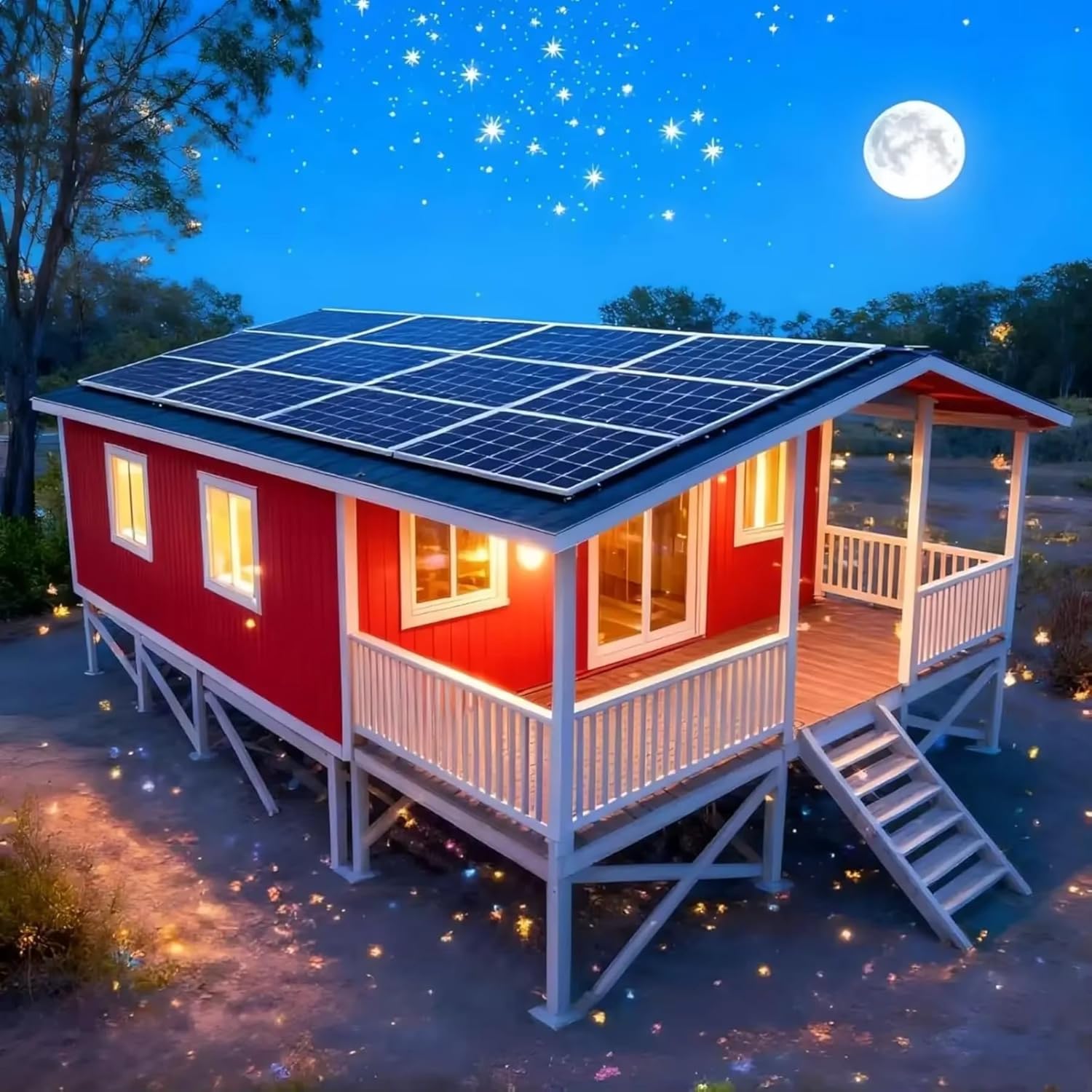
HG Prefab foldable expandable container homes — built to last, delivered worldwide.
Short-stay rental platforms reward properties that are photogenic, fast to launch and cheap to own — exactly what a folding container home delivers. This guide runs the real numbers so you can judge the investment yourself.
The setup economics
| Unit | Base cost | Typical guest config | Realistic nightly rate |
|---|---|---|---|
| 20FT (~36 m²) | $7,200–$9,800 | Studio, sleeps 2 | $60–$110 |
| 30FT (~56 m²) | $10,500–$14,500 | 1 bed + bath + kitchen | $90–$150 |
| 40FT (~76 m²) | $12,500–$16,500 | 2 bed family unit | $120–$220 |
Rates depend on your market — beach, mountain and event-city locations command the top of each range.
Payback math: the honest version
Take a 30FT unit at $12,500 delivered, renting at $100/night:
- 35% occupancy (128 nights): $12,800/year — payback in roughly 1 year, before platform fees (~15–18%), utilities, insurance and cleaning.
- 25% occupancy (91 nights): $9,100/year — payback in about 1.5 years.
- 15% occupancy (55 nights): $5,500/year — payback in about 2.5 years.
After platform fees and running costs, realistic full payback lands between 1.5 and 3 years for most well-located units — a return schedule traditional construction simply cannot match, since a comparable site-built guest cottage costs 3–5× more before it earns a single night.
Why guests book container stays
- The story: "folding home that traveled the world" is marketing gold in listing photos and titles.
- The look: clean modern lines photograph well — essential for platform algorithms.
- Comfort: rock wool insulation, proper AC and hotel-grade fit-out keep reviews high.
Scale economics
Operators running 3–10 units report two structural advantages: two 20FT units ship in one 40HQ (halving freight), and tiered pricing applies at volume. A fleet of four 20FT studios often out-earns one large unit per dollar invested because solo travelers and couples dominate booking volume.
Compliance before your first guest
- Confirm short-term rentals are permitted on your parcel — many regions allow accessory dwelling units (ADUs) with a streamlined permit.
- Meet egress and smoke/CO alarm requirements — fire-rated A1 rock wool construction helps enormously here.
- Register for local lodging tax where applicable; platforms often remit this automatically.
- Check septic capacity if your site is off-mains.
Operations that scale
- Smart keypad locks — guest codes rotate remotely, no key handovers, no lockouts.
- Solar-ready packages cut power bills on remote sites.
- Durability — steel construction shrugs off the wear that wrecks soft-furnished timber cabins.
Run the numbers with us
Tell us your location and target market — we will recommend the configuration and quote including freight.
Browse models