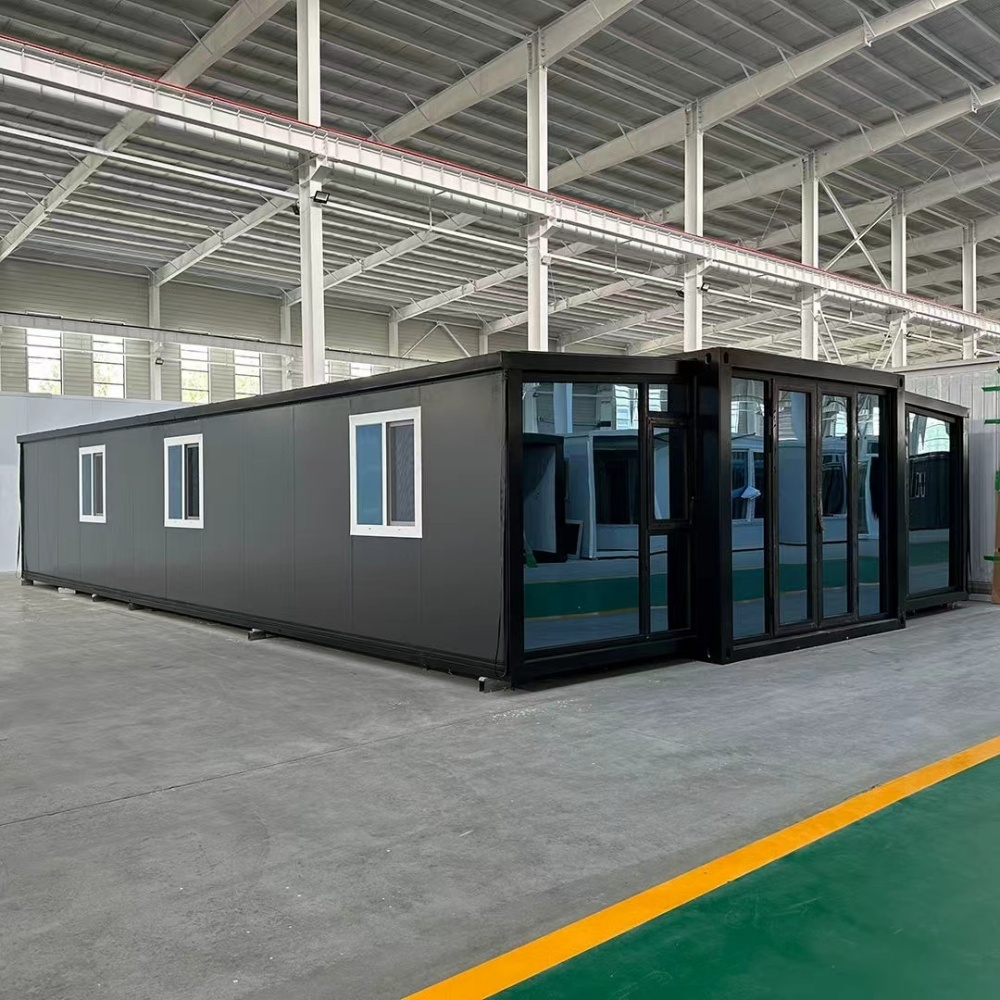
HG Prefab foldable expandable container homes — built to last, delivered worldwide.
A warranty on a building you bought from another continent is only worth as much as the paper it is written on. A folding expandable container house is a manufactured product: a galvanized steel frame, a hinge and fold mechanism, insulated sandwich panels, a factory-applied waterproofing system, doors, windows and fitted services. Every one of those components can fail, and the question that matters to a buyer is never "is there a warranty?" but "what exactly is covered, for how long, and what do I have to do to keep it valid?" This guide sets out the industry-typical coverage you should expect to see, the exclusions that most often kill a claim, the inspection routine to run the day the truck arrives, and the exact steps to file a claim with HG Prefab.
Why Written Warranty Terms Matter When You Import
Buying from an overseas factory removes the local installer who would otherwise be the first person you call. There is no general contractor down the road, and consumer protection law in your country usually stops at the importer. That makes the written warranty schedule attached to your order contract the single document that defines your remedy if something goes wrong.
Three practical reasons to insist on written terms before you pay a deposit:
- Components age at different rates. A galvanized steel frame and a silicone sealant bead are not comparable products, and a single blanket "one year warranty" clause hides the difference. A component-by-component schedule is the only honest way to write it.
- Responsibility has to be split. Factory defects, freight handling and site installation are three different risks owned by three different parties. The warranty should say clearly which one the manufacturer accepts.
- Parts availability is the real remedy. For a folding container house the fastest fix is almost always a dispatched part — a hinge, a gasket, a panel, a lock — not a site visit. Written terms should state that parts support exists and how it is requested.
HG Prefab provides written warranty terms with every order, and the schedule travels with your proforma invoice and order contract. Read it, confirm the periods on each component line, and ask your sales engineer to clarify anything ambiguous before the unit ships rather than after it lands.
What Container Home Warranties Typically Cover
The table below reflects the ranges commonly seen across the folding expandable container house industry. Treat it as a benchmark for what a serious manufacturer's schedule looks like — not as a substitute for the written terms in your own contract, which always govern.
| Component | Typical coverage period | Commonly covered | Commonly excluded |
|---|---|---|---|
| Galvanized steel frame & folding hinge system | Commonly 5–10 years | Weld and hinge failures, distortion, coating delamination under normal use | Cutting, welding or drilling the frame; overload from site stacking; impact damage |
| Sandwich wall and roof panels | Commonly 1–3 years | Delamination, core separation, factory bonding faults | Impact damage, penetration by unapproved fixings, stains and fading |
| Waterproofing membrane & factory sealant | Commonly 1–3 years | Seam and joint failure, premature cracking of factory-applied bead | Drilling through the roof, unapproved coatings, sealant applied by others |
| Doors, windows & hardware | Commonly 1–2 years | Lock and handle mechanism faults, hinge failure, seal defects | Broken glass after handover, misuse, forced entry, adjustment after settling |
| Electrical & plumbing fixtures | Commonly 1–2 years | Factory wiring faults, fixture defects present on arrival | Third-party modifications, wrong supply voltage, frozen or burst pipes |
Two principles run through almost every schedule in this sector. First, coverage attaches to manufacturing defects, not to damage — a dented panel from a careless forklift is a freight claim, not a warranty claim. Second, coverage is component-level: the remedy is repair or replacement of the failed part, not replacement of the whole unit. Ask how the remedy is expressed in your contract so the expectation is shared on both sides.
Manufacturing defects discovered on arrival deserve special mention. These are the easiest claims to win and the most valuable, because they are documented while the container is still in the packaging. Panel damage under the wrapping, a hinge that will not seat, glass cracked in transit, a door out of square, a missing fixture from the packing list — all of these should be photographed and reported immediately.
What Typically Voids a Warranty Claim
Most rejected claims are not disputes about quality. They are exclusions the buyer never read. The following appear in nearly every folding container house warranty schedule in the market:
- Unauthorized structural modification. Cutting, welding, drilling or removing members of the load-bearing frame, or altering the fold mechanism. If you need an opening, ask the factory to factory-prep it.
- Inadequate foundations or standing water. A unit set on soft, unlevelled ground, or sitting in water that cannot drain, will rack and corrode from the base up. Site preparation is a buyer duty, and the resulting damage is not a factory defect.
- Third-party plumbing or electrical work causing damage. Trades on site who modify factory wiring, cut into walls or connect services incorrectly own the consequences of that work.
- Unapproved coatings and membrane penetrations. Painting over factory finishes with incompatible products, and especially drilling or screwing through the roof membrane for antennae, solar rails or signage, is the single most common cause of a denied leak claim.
- Transport or handling damage after signed-off delivery. Once you or your agent sign the delivery receipt clean, damage discovered later is presumed to have happened on your side.
- Normal wear, consumables and appearance. Scratches, faded coatings, worn gaskets and door adjustment after settling are maintenance items.
- Force majeure. Flood, storm, lightning, earthquake, fire and similar events sit outside a manufacturer's warranty and belong to your insurance policy.
None of this is unusual or unreasonable. It simply means the buyer owns the site, the foundation, the offload and any modification, while the manufacturer owns what it built. Knowing where that line sits before you order saves an unpleasant conversation later.
The Inspection-On-Arrival Routine
The 48 hours after the truck arrives are the most valuable window in the entire warranty period. Run this routine every time, even on a unit that looks perfect through the wrapping:
- Photograph and video the container and its packaging within 48 hours of receipt. Shoot the wrapping before it comes off, then the unit as it is unpacked. Dated, unbroken footage is what settles a freight dispute.
- Note exceptions on the delivery receipt or bill of lading before signing. If the crate is crushed or the wrapping torn, write it on the document and, if possible, get the driver to countersign. A clean signature is very hard to contradict later.
- Check the hinge and fold points. These carry the entire mechanism. Look for bent pins, cracked welds, missing bolts and dry or damaged grease points.
- Inspect all glazing and door seals. Glass damage and out-of-square doors are the two most frequently reported arrival defects, and both are cheap to fix on day one.
- Count against the packing list. Fixtures, gaskets, spare parts, keys, tools and the electrical kit should all be accounted for before the freight company leaves.
- Photograph the base rail and corner castings. Forklift damage usually happens at the base, and base damage is what leads to door and floor problems months later.
Offloading is where most arrival damage actually occurs. Yes — a crane or forklift is required to offload the folded unit from the truck. Once it is set in position, four workers can unfold and assemble the main structure in about 2 hours. Plan the lift before the truck is booked: confirm ground bearing, approach width and overhead clearance, and brief the operator that the unit unfolds, so slings go only on the designated lifting points.
How to File a Claim Step by Step
Claims that arrive complete get resolved in days. Claims that arrive as a single sentence with no photographs get resolved in weeks. Build the evidence pack first:
- Order number — from your order contract or proforma invoice.
- Purchase invoice — or proof of payment if the invoice is not yet issued.
- Dated photographs and video — a wide shot showing location in the unit, then close-ups of the defect. Include a ruler or tape measure for scale on cracks and gaps.
- A short written description — what the fault is, when it first appeared, what had been done to the unit beforehand, and what you have already tried.
Send the pack to HG Prefab by email at hgmechequip@gmail.com or by WhatsApp to +86 191 0388 7380. Include the model size (20FT, 30FT or 40FT) and, if the fault is mechanical, the side of the unit it is on. HG Prefab reviews the evidence, confirms whether the item falls inside the written schedule, and then either dispatches the replacement part or issues local repair guidance with the procedure and any parts needed. Keep the original packaging of any replaced component until the claim is closed, and keep every message in one thread so the history stays intact.
If the fault is clearly freight-related rather than a manufacturing defect, file the carrier claim in parallel using the same photographs. Do not wait for one process to finish before starting the other.
Spare Parts and Maintenance Duties That Keep Coverage Valid
Warranty coverage assumes reasonable care. A short list of owner duties protects both the unit and the claim:
- Order spares from day one. Touch-up paint matched to the frame coating, spare hinges and pins, door and window gaskets, replacement sealant and a set of locks cost very little when shipped with the unit and a great deal when air-freighted later.
- Keep the base dry and drained. Maintain the fall away from the unit, clear gutters and drains, and never let water pond beneath the floor structure.
- Service the fold mechanism. Grease hinge points and check bolt torque on the schedule in your handover documents, especially on units that are folded and moved more than once.
- Inspect sealant annually. Roof seams, window perimeters and door thresholds. Recoat with an approved product before a bead fails, not after.
- Record everything. A simple log with dates and photographs of each inspection is the best possible evidence if a claim is ever disputed.
Budget-wise, planning the warranty conversation early costs nothing. A 20FT folding unit runs $7,200–$9,800, a 30FT $10,500–$14,500, and a 40FT unit $12,500–$16,500 — and a spare-parts kit ordered with the container typically adds less than one percent to that. If you want the exact written schedule before committing, ask your sales engineer through the contact page and request the component list in writing.
Need a folding container house?
HG Prefab manufactures 20FT, 30FT and 40FT folding expandable container houses, ships them flat-packed worldwide with written warranty terms and spare-parts support, and backs every unit with a named contact for claims and technical questions.
Browse modelsFrequently Asked Questions
What does a container home warranty typically cover?
Across the industry, written terms commonly run 5–10 years on the galvanized steel frame and folding hinge system, 1–3 years on sandwich panels, sealants and waterproofing, and 1–2 years on doors, windows, locks and factory-fitted electrical and plumbing fixtures. Coverage is limited to manufacturing defects, not site damage. HG Prefab supplies the exact written schedule with every order, so always confirm the periods in your order contract.
What voids a container home warranty claim?
The usual exclusions are unauthorized structural modification, cutting or welding the frame, inadequate foundations or standing water beneath the unit, third-party plumbing or electrical work that causes damage, unapproved coatings or drilling through the waterproofing membrane, transport or handling damage after signed-off delivery, normal wear and consumables, and force majeure events such as flood, storm or earthquake.
How do I file a warranty claim with HG Prefab?
Build a simple evidence pack: your order number, the purchase invoice, dated photos and video of the defect, and a short written description of what happened and when it appeared. Email it to hgmechequip@gmail.com or send it by WhatsApp to +86 191 0388 7380. HG Prefab assesses the claim, then dispatches replacement parts or issues local repair guidance, depending on the fault.
Do I have to inspect the unit on arrival to keep my warranty valid?
Yes. Photograph and video the container and its packaging within 48 hours of receipt, note any exceptions on the delivery receipt or bill of lading before you sign, and check the hinge and fold points and all glazing. Transit damage reported within that window is straightforward; damage reported weeks later is very hard to separate from site handling.