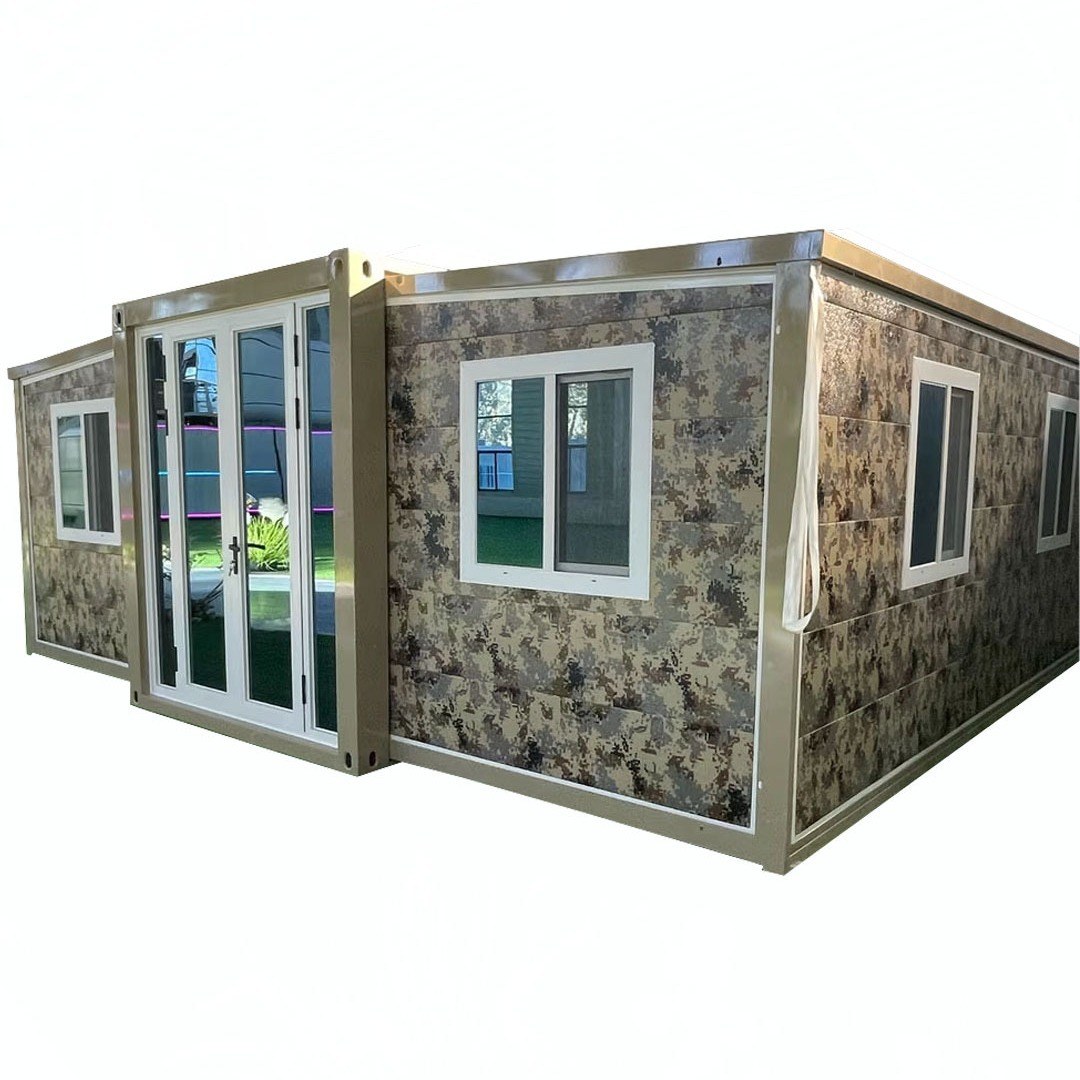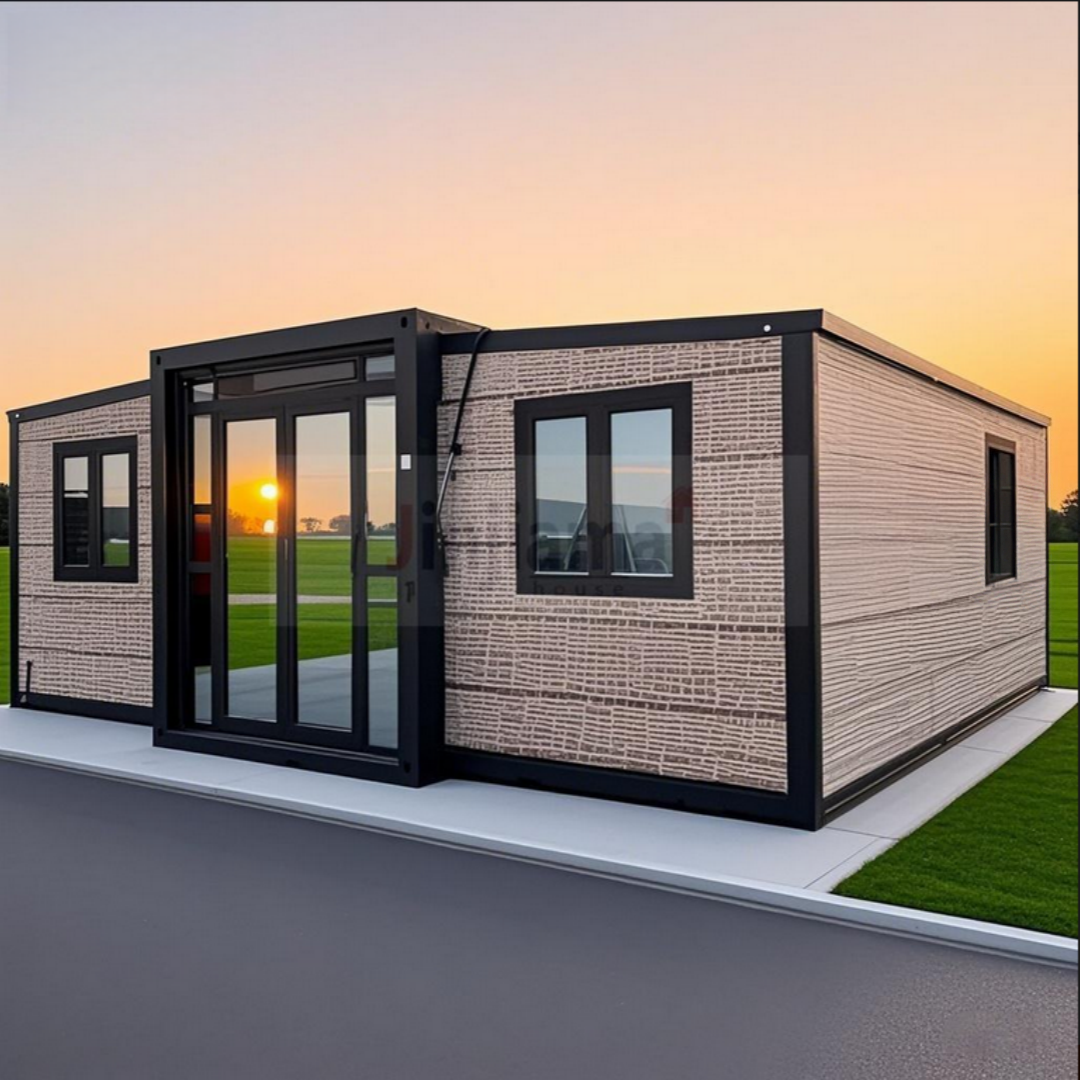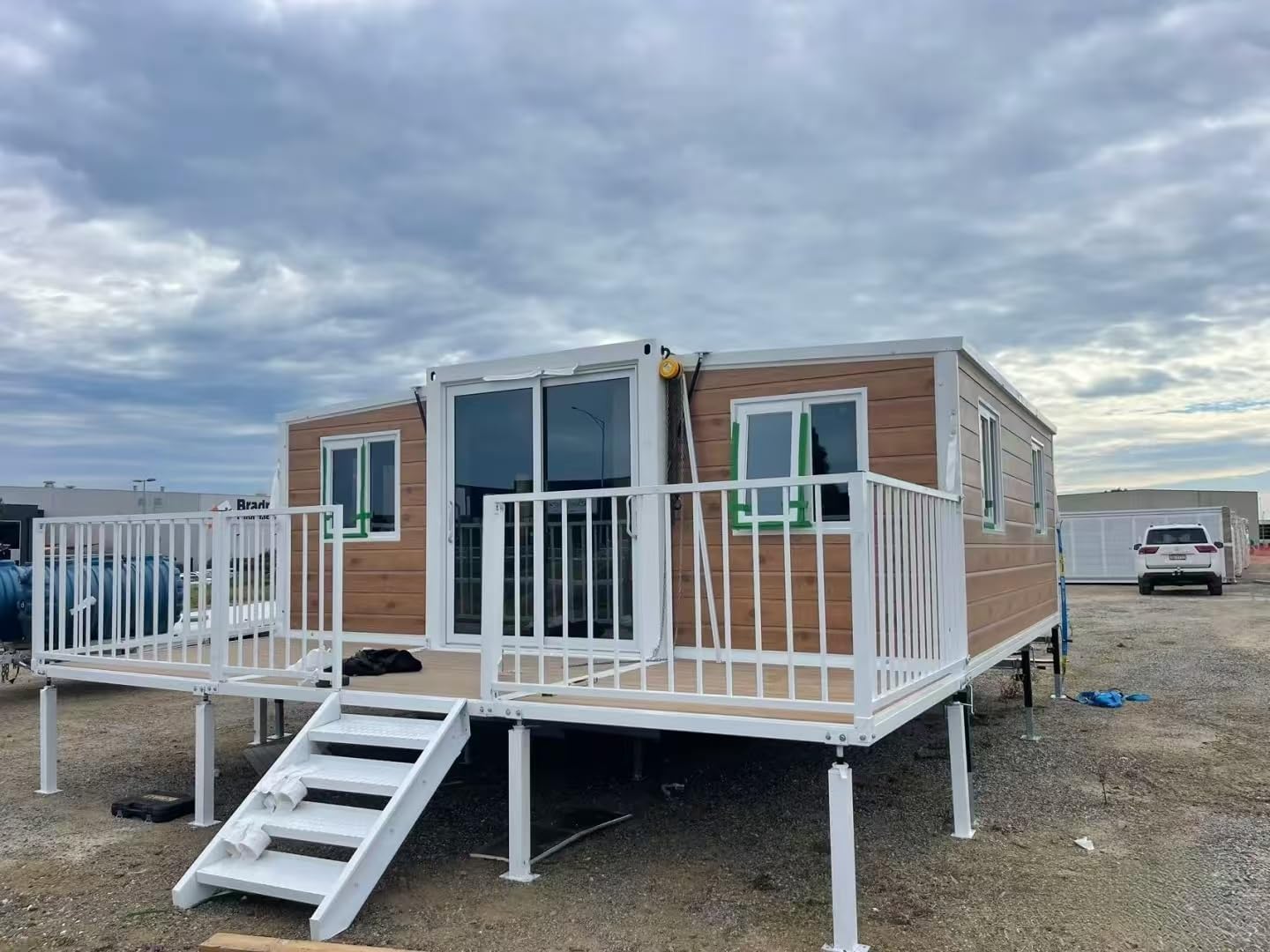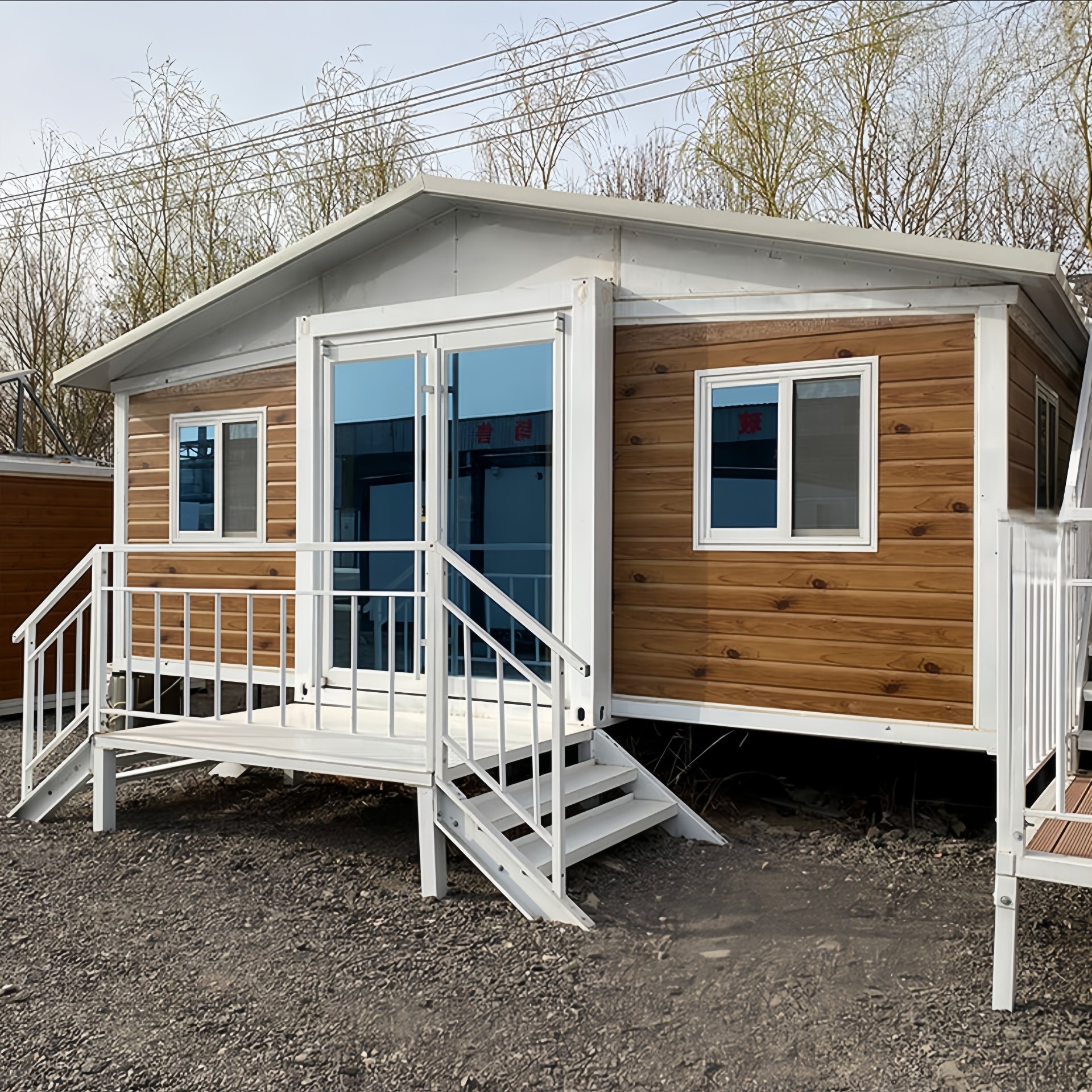
HG Prefab foldable expandable container homes — built to last, delivered worldwide.
Ordering a folding container home from China is a normal transaction when both sides follow a documented process, and an expensive lesson when they do not. Most problems we repair afterwards were visible in advance: a quotation that never listed its exclusions, a proforma invoice made out to a personal account, or a price far below the market band.
This guide follows the safe buying path from first quotation to release of the balance: what a quotation contains, how to read a proforma invoice, which payment structures are normal and which are not, what escrow-style Trade Assurance covers, how to prove a factory exists before you pay, the documents due before the vessel sails, the red flags that end a conversation, and a realistic order-to-delivery timeline. Henan Huangang Machinery Equipment Co., Ltd. (HG Prefab) exports 20FT, 30FT and 40FT folding expandable units.
What a Professional Quotation Should Contain
A quotation is a technical document, not a price message. A single figure in a chat window is an opening position, not an offer. A professional response is a written offer with a specification sheet attached.
Model, Configuration and Specification Sheet
The offer must name the model and configuration in verifiable terms: folded and unfolded dimensions, frame steel grade and thickness, wall and roof build-up with insulation type, window and door schedule and electrical standard. Buyers comparing two offers on price alone are usually comparing two different buildings — compare specification sheets first, as on our folding container house models page.
Incoterms: EXW, FOB and CIF
The incoterm decides where cost and risk transfer, and it is the biggest reason two quotes for the same unit differ by more than a thousand dollars.
- EXW (Ex Works): you collect at the factory gate and own all risk from there. Lowest price because it includes least.
- FOB (Free On Board): the seller loads on board at the named port and clears export; risk passes at the ship's rail. Cleanest for a first order.
- CIF: the seller also pays freight and minimum insurance to your port, but risk still passes at the ship's rail. Minimum cover, so upgrade it.
- Named port matters: FOB Qingdao and FOB Shanghai differ.
Validity Period, Inclusions and Exclusions
Rates move, so a quotation needs a validity period, typically 15 to 30 days, a lead time, a currency, and the packing method — how many folded units fit a 40FT high-cube container drives the freight maths. Then read the exclusions: inland delivery, duty, brokerage, crane offload and foundation.
Anatomy of a Proforma Invoice
The proforma invoice, usually called the PI, is what you pay against, and in most deals it acts as the contract until a sales contract is signed. Every field must reconcile with the quotation:
- Seller and buyer legal names: the seller must match the licence and the bank account.
- Bank details: beneficiary, bank, SWIFT or BIC, account number. The beneficiary must be the company, never an individual.
- Product description, model and quantity: specific enough to enforce, citing the spec sheet version.
- Unit price, total value and currency: with the incoterm and named port.
- Payment terms: the split, each trigger, and whether the balance falls due against a copy bill of lading.
- Lead time, packing and validity: days after deposit, port of loading, units per container, date, expiry and stamp.
If a supplier wants payment before issuing a PI, stop.
Payment Structures: Deposits, Milestones and Letters of Credit
Payment structure is where risk is allocated. The principle is simple: money moves in proportion to value already created — you pay to reserve material, then pay again when the goods pass inspection.
The 30/70 Structure
The standard is a 30 percent deposit to release the order into production, and a 70 percent balance before shipment against the ready-for-shipment notice, your inspection sign-off or a copy bill of lading. The deposit buys material and a production slot.
Milestones for Multi-Unit Orders
For container-load quantities or phased developments, one 70 percent payment concentrates too much money in a single moment:
- 30 percent on contract signing, to release materials and book the slot.
- 30 percent on frame completion, evidenced by dated photographs and video.
- 30 percent on completion and packing, after your pre-shipment inspection.
- 10 percent against the copy bill of lading, or retained until arrival.
Each milestone needs a written evidence trigger: "30 percent at mid-production" is unenforceable, "within three days of dated photographs of serial numbers X to Y" is not.
Letters of Credit for Large Projects
Above roughly a container of higher-specification units, or for government procurement, an irrevocable Letter of Credit at sight is worth its cost: a bank's undertaking replaces the buyer's promise. The trade-off is documentary strictness — one discrepancy can delay payment for weeks, which is also why it protects you.
| Method | Typical use | Protection level | Watch-outs |
|---|---|---|---|
| T/T 30% deposit + 70% before shipment | Standard for single and small multi-unit orders | Moderate: deposit at risk until production starts; balance paid once the goods exist | Trigger must be inspection or copy bill of lading |
| Full payment upfront | Almost never justified for a manufactured building | Very low: no leverage once the money has gone | Red flag. No lever left on schedule or specification |
| Letter of Credit (irrevocable, at sight) | Container-load orders, government and institutional procurement | High: a bank pays against compliant documents | Compliance is strict; discrepancies delay payment |
| Trade Assurance / escrow order | First order with any new supplier, or any order through an established B2B channel | Moderate to high: funds held until shipment; covers on-time shipment and quality as specified | Only what the contract says. Excludes duty and assembly |
| Third-party inspection add-on | Any order; recommended above two units or when you cannot visit | Add-on: independent evidence before you release the balance | Define scope in writing; book before packing |
Trade Assurance and Escrow-Style Ordering
Escrow-style protection, best known as Trade Assurance on the large China-focused B2B marketplaces, solves the first-order problem: neither side has a track record. You order through the channel, payment is held rather than paid out, and it releases once shipment is confirmed. It costs nothing and belongs on a first order.
What the Protection Actually Covers
It is narrower than buyers assume. It covers two things: on-time shipment as defined in the order, and quality conforming to the written specification. It does not cover transit damage, duty or clearance delays, your permits, the foundation, or site assembly. The specification is decisive — "good quality" is unprotected, while insulation thickness and electrical standard are enforceable.
How a Dispute Is Resolved
File within the window stated in the order, counted in days from delivery or the shipment deadline, and support it with photographs, the inspection report and the specification. Keep commitments in writing rather than in phone calls.
Verifying the Factory Is Real
The gap between a manufacturer and a well-built website selling a manufacturer's photographs is the largest single risk in this industry. Verification takes two days. Do it before the deposit.
Business Licence and Export History
Ask for the business licence and read three fields: the registered Chinese company name, the social credit code and the business scope. The name must match the beneficiary on the proforma invoice — that catches trading companies posing as factories.
Live Video Walkthrough
Insist on a live video call during Chinese working hours with the camera walking, not static. Ask to see the frame line, the insulation bay, the electrical bench and the finished goods yard. Recorded walkthroughs can be reused.
Third-Party Audits and Pre-Shipment Inspection
Independent verification is cheap against the order value. An audit by an SGS, Bureau Veritas, TUV or Intertek style firm confirms legal existence, premises, capacity and quality system. A pre-shipment inspection checks your units before packing: welds and dimensions, insulation build-up, door and window operation, electrical continuity, finish, the fold cycle and loading. See our factory QC and inspection guide, and make release of the balance conditional on the report.
Factory or Trading Company
Trading companies are legitimate, but know which you have, because it decides who answers for quality and schedule. A manufacturer answers process questions without checking.
Production Milestones: What Photos and Videos to Expect
Progress reporting is the cheapest quality control and the clearest signal of whether a supplier is organised. Ask for dated photographs and short video at defined stages.
- Frame stage: welded base and folded frame with section sizes and weld quality visible, plus anti-corrosion treatment.
- Insulation stage: insulation installed but not closed up — the only moment coverage can be verified.
- Panel and glazing stage: panels fitted, windows and doors hung, seals in place.
- Electrical and plumbing stage: cabling, distribution board, sockets and lighting, before the linings close.
- Finishing and function test: floor covering, kitchen and bathroom fit-out, and a demonstration of the fold cycle.
- Packing stage: wrapping, corner protection and lashing, plus container and seal numbers.
A factory that sends these unprompted will also tell you early about a delay.
Shipping Documents You Must Receive Before the Vessel Sails
Documents, not steel, decide whether your unit clears quickly or sits at the terminal accumulating demurrage. Insist on the full set before releasing the balance, and check that names, weights and values reconcile. Our shipping and freight guide covers timing.
- Commercial invoice: buyer and seller, description, quantity, value, currency, incoterm and HS code. Duty is assessed on it.
- Packing list: piece count, net and gross weights, dimensions, container and seal numbers.
- Bill of lading: contract of carriage and document of title. Confirm consignee and telex release.
- Certificate of origin: issued by the competent authority or chamber of commerce; needed for any preferential duty claim.
- ISPM-15 packing declaration: confirms timber packaging was heat treated and stamped. Unmarked wood is a hard stop.
Scam Red Flags and the Order-to-Delivery Timeline
Price Sanity Checks
Realistic factory-direct bands are roughly 20FT $7,200–$9,800, 30FT $10,500–$14,500 and 40FT $12,500–$16,500 depending on size, specification and finish, ex-works or FOB at a Chinese port; freight, duty, crane offload, foundation and services come on top, as our 2026 cost breakdown shows. An offer far below those bands deserves scrutiny: the arithmetic only works if the specification was quietly cut, the panels are thinner or the plan is to take the deposit. Ten percent below a comparable quote is negotiation; forty percent is a warning.
Nine Red Flags That Should End the Conversation
- Payment to a personal account rather than the licensed company on the PI.
- Pressure to pay 100 percent upfront, usually with a today-only deadline.
- Refusal of a live video call or of a line walkthrough.
- No written contract, only chat messages and a total.
- Cloned website: a domain close to a known brand, no matching licence.
- Bank beneficiary name differing from the licence or the PI.
- Prices far below the market band with no spec sheet.
- No export history and reluctance to allow inspection.
- Bank details changed after the PI with no credible explanation.
Step-by-Step Order-to-Delivery Timeline
- Days 1–3: state specification and destination port; receive the quotation with spec sheet, incoterm and validity.
- Days 3–7: verify the factory: licence, export history, live video walkthrough.
- Days 7–10: agree the PI: payment split, inspection clause, milestone reporting.
- Day 10: pay the 30 percent deposit to the company account.
- Days 10–35: production, with photographs and video at frame, insulation, panel, electrical and packing stages.
- Days 33–38: pre-shipment inspection by your third party, or factory QC report.
- Days 38–42: release the 70 percent balance; check the documents reconcile.
- Days 42–75: loading, sealing and ocean transit. Book your broker now.
- Arrival: customs entry, duty and fees, then drayage to site.
- Delivery day: a crane or forklift is required to offload the folded unit from the truck; once set, four workers unfold and assemble the main structure in about 2 hours.
- After delivery: utility connections by licensed trades, then inspections and handover — see our delivery timeline and 9 buyer mistakes when importing container homes.
Two patterns cause nearly every bad outcome: compressing steps 2 and 3 because the price looked good, and treating the timeline as the supplier's problem alone. Your own tasks — broker, permits, crane booking — decide the rest.
Ready to order from a verified factory?
Henan Huangang Machinery Equipment Co., Ltd. (HG Prefab) issues transparent proforma invoices made out to our registered company account, sends milestone photo and video updates, and welcomes third-party inspection before your balance is released. Reach us on WhatsApp +86 191 0388 7380 or email hgmechequip@gmail.com.
Request a quotation Browse models WhatsApp +86 191 0388 7380 Email hgmechequip@gmail.comFrequently Asked Questions
What is a standard payment schedule for a folding container home order?
The market standard is 30 percent deposit to start production and 70 percent balance against the ready-for-shipment notice and a copy of the bill of lading. The deposit buys material and a production slot; the balance is due only once your unit exists and passes inspection. Always pay the company account named on the proforma invoice, and avoid any structure asking for 100 percent upfront.
Is Trade Assurance necessary when ordering from a factory?
Not strictly necessary, but it is the cheapest protection a first-time buyer can add, and worth using on the first order with any new supplier. Escrow holds your payment until you confirm shipment, and covers on-time shipment and quality against the written specification. It does not cover freight delays, duty or site assembly. Put the model, materials and finish into the contract, because that is what a claim is assessed against.
How do I verify a container home factory is real before paying?
Ask for three layers of evidence. Documents first: the business licence with its unified social credit code and a bank account in the same legal name. Then a live video call during working hours, walking the welding line and the finished goods yard. Finally, independent verification: a third-party audit or a pre-shipment inspection by an SGS, Bureau Veritas or TUV style firm.
What documents should I receive before the vessel sails?
Five documents are the minimum. The commercial invoice states value, quantity, HS code and incoterm, and is what your customs authority assesses duty on. The packing list gives weights, dimensions, piece count and the container number. The bill of lading is the title document. The certificate of origin supports any preferential duty claim. The ISPM-15 declaration confirms timber packaging was heat treated and stamped.
How is the folding container home offloaded and assembled on site?
Yes — a crane or forklift is required to offload the folded unit from the truck. Once it is set in position, four workers can unfold and assemble the main structure in about 2 hours. Plan the offload crew and machine in advance, because crane availability is usually the tightest booking in the schedule. Confirm unit weight and required reach with your operator.