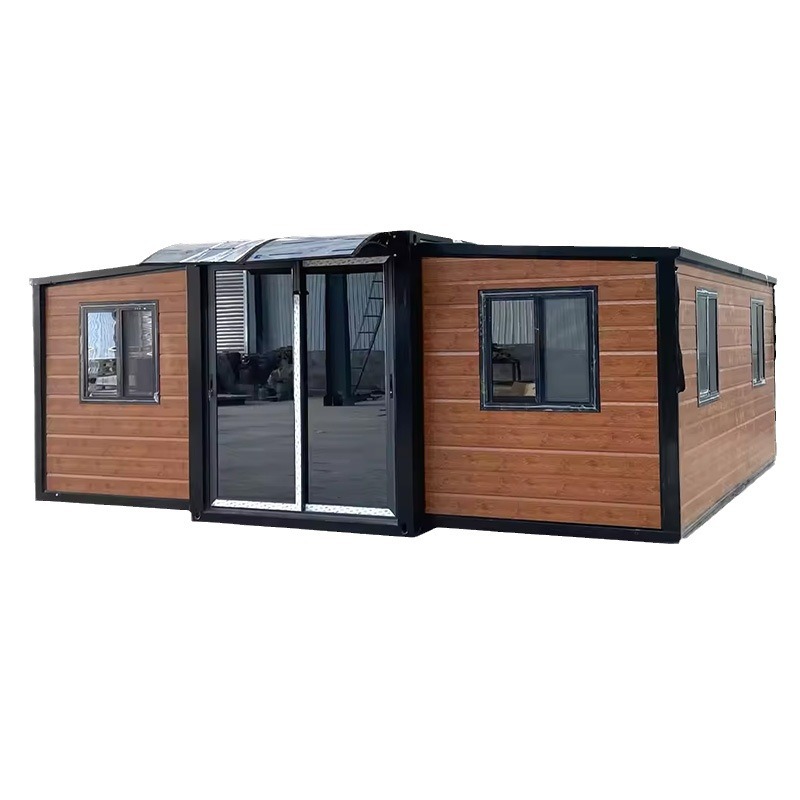
HG Prefab foldable expandable container homes — built to last, delivered worldwide.
Steel and cold weather are not natural friends. Metal conducts heat rapidly, and without proper preparation, a container home in a cold climate will cost more to heat and risk frozen pipes. The good news: with the right insulation, heating and sealing, a folding container home performs well in temperatures down to -30°C. This checklist walks through every winterization step.
1. Insulation: Your First Line of Defense
Standard HG Prefab units come with 50–75mm A1 rock wool in walls and roof. For cold-climate deployment, consider upgrading to 100mm wall insulation and 100–120mm in the roof. Rock wool is non-combustible, moisture-resistant and does not degrade over time — see our insulation guide for R-value targets by climate.
| Climate zone | Min. wall insulation | Min. roof insulation | Heating load (40FT) |
|---|---|---|---|
| Mild (above 0°C) | 50mm rock wool | 75mm | 3–4 kW |
| Cold (-10 to 0°C) | 75mm | 100mm | 5–7 kW |
| Very cold (below -10°C) | 100mm | 120mm | 7–10 kW |
2. Pipe Freeze Protection
Frozen pipes are the #1 winter damage claim for any home. For a container home:
- Insulate all exposed water pipes with foam sleeves (13–19mm wall thickness)
- Use heat trace cables on pipes in unheated or perimeter areas
- Keep a small heater or heat tape on the water inlet connection
- If the unit is unoccupied, drain the water system and add RV antifreeze to traps
- Locate the water heater inside the insulated envelope, not in an unheated service cavity
3. Heating System Sizing
The right heating system depends on climate, unit size and whether you are on or off grid. See our HVAC guide for BTU calculations:
| Unit size | Mild climate | Cold climate | Very cold climate |
|---|---|---|---|
| 20FT | 2–3 kW | 4–5 kW | 5–7 kW |
| 30FT | 3–4 kW | 5–6 kW | 6–8 kW |
| 40FT | 3–4 kW | 5–7 kW | 7–10 kW |
A mini-split heat pump is the most efficient option down to about -15°C. Below that, electric panel heaters or a small wood stove provide backup. For off-grid winter use, size your solar system for the reduced daylight hours — see our off-grid guide.
4. Skirting and Underfloor Sealing
Cold wind blowing under the floor can drop interior temperatures by 3–5°C. Skirting — enclosing the space between the ground and the floor — prevents this. Options:
- Steel skirting panels — match the unit, can be ordered from the factory
- Rigid foam board — cut to fit between piers, taped and sealed
- Concrete block skirting — permanent, excellent wind block
Also seal any gaps around utility penetrations with expanding foam or silicone.
5. Window and Door Sealing
Check weatherstripping on all operable windows and doors. Replace compressed or cracked seals. For single-glazed windows, consider adding an interior acrylic storm panel — a $30–$50 per window upgrade that improves comfort noticeably. If ordering a new unit for a cold climate, specify double-glazed windows from the factory.
6. Roof Snow Load
The steel roof of an HG Prefab unit is designed for significant load, but in heavy snow zones you should:
- Confirm the roof snow load rating with your supplier (typically 1.5–2.0 kN/m²)
- Clear accumulated snow above 50cm depth
- Ensure the roof has a slight pitch for snow sliding (standard on our units)
For more on performance in harsh conditions, see our article on container homes in extreme climates.
7. Condensation Control in Winter
Winter is peak condensation season — warm interior air meets cold steel. Proper ventilation is essential. A mechanical exhaust fan in the bathroom and kitchen removes moisture at the source. See our ventilation guide for condensation science and solutions.
Winterization Quick Checklist
- Upgrade insulation to 100mm walls / 120mm roof if in a very cold zone
- Insulate all water pipes; add heat trace on exposed runs
- Size heating system for your climate and unit size
- Install skirting to block underfloor wind
- Replace weatherstripping on doors and windows
- Clear roof snow above 50cm
- Run bathroom and kitchen exhaust fans
Ordering for a cold climate?
We can upgrade insulation, glazing and heating for your destination — specify your climate zone when requesting a quote.
Browse models