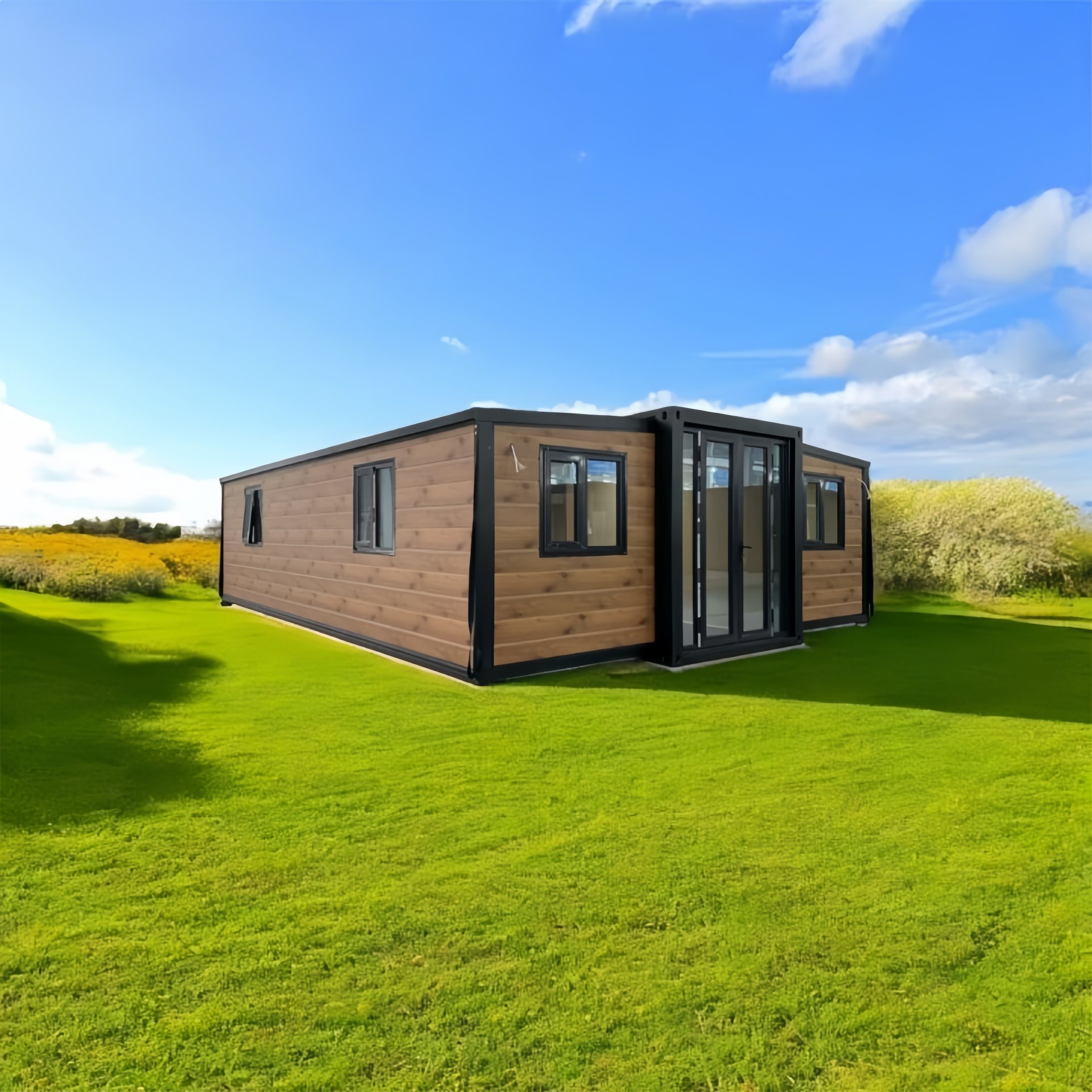
The 20FT folding container home — compact, transportable and deployable in hours.
When an earthquake, flood, wildfire or hurricane strikes, the first 72 hours are critical. Survivors need safe, weatherproof shelter — not tents that tear in the next storm, and not conventional buildings that take months to construct. Folding container homes from HG Prefab offer a unique combination of speed, durability and self-sufficiency that makes them ideal for disaster relief and emergency housing programmes. This article explains why governments, NGOs and humanitarian agencies are turning to foldable steel homes as their go-to emergency shelter solution.
Why container homes outperform tents and modular shelters
| Feature | Relief tent | Modular portakabin | HG Prefab folding container |
|---|---|---|---|
| Setup time | 1-2 hours | 1-2 days (crane + crew) | ~2 hours (crane offload + 4 workers) |
| Wind resistance | 60-80 km/h | 120 km/h | 120+ km/h (Grade 10) |
| Insulation | None | Basic EPS | A1 fire-rated rock wool, 75mm |
| Fire rating | Flammable | B2 | A1 non-combustible |
| Lifespan | 6-12 months | 10-15 years | 25+ years |
| Shipping density | High (flat-pack) | Low (built-up) | High (folds flat, 2 per 40HQ) |
| Off-grid ready | No | No | Yes (solar + water tank option) |
| Post-relief reuse | Landfill | Limited | Permanent housing or relocatable |
The deployment advantage: speed at scale
The single biggest advantage of a folding container home in a disaster scenario is deployment speed. Here is how a typical emergency deployment works:
- Pre-positioning: Units are stockpiled flat-packed in regional warehouses. Each 20FT unit folds into a standard 20-foot container footprint; two 20FT units fit in a single 40HQ sea container for efficient bulk transport.
- Dispatch: When disaster strikes, units are trucked or air-freighted to the affected zone. Because they are steel boxes, they survive rough roads and rough handling without damage.
- Offloading: A crane or forklift lifts each folded unit off the truck and places it on the prepared ground — a concrete pad, compacted gravel, screw piles or even level earth in the most urgent cases.
- Unfolding: Once the unit is set in position, four workers unfold and assemble the main structure in about 2 hours. No foundations to pour, no bricks to lay, no roof to frame.
- Utility connection: If the grid is down, the optional solar package provides power immediately. Water tanks on the roof or beside the unit provide running water. The unit is habitable the same day.
Durability in extreme conditions
Disaster zones are, by definition, places where the environment is hostile. Relief shelters must survive not just the initial event but the aftermath — aftershocks, continued flooding, extreme heat or cold, and the wear and tear of dense occupancy. The HG Prefab unit is built for this:
- Galvanized steel frame: The welded steel chassis is hot-dip galvanized, giving it corrosion resistance even in coastal or flood-affected environments. It will not rot, warp or termite-damage like timber.
- Seismic performance: Steel is inherently ductile — it bends without shattering. A container home's low mass (compared to masonry) also reduces seismic forces. This makes it safer than brick or block construction in earthquake zones.
- Wind resistance: The unit is rated for wind loads up to Grade 10 (approximately 120 km/h sustained), sufficient for most post-typhoon and post-cyclone conditions.
- Fire safety: A1-rated rock wool insulation means the walls will not burn. In wildfire-affected zones, this is a life-saving property that tents and EPS-panel shelters simply cannot match. See our insulation guide for more on fire ratings.
Off-grid capability for destroyed infrastructure
In many disasters, the utility grid is the first thing to fail and the last thing to be restored. Power lines are down, water mains are broken, gas pipes are ruptured. A folding container home can be configured for full off-grid operation:
- Solar power: Roof-mounted panels feed a battery bank that powers LED lighting, outlets, a small fridge and communication devices. See our off-grid guide for sizing details.
- Water storage: A 500-2000L water tank (roof-mounted or ground-level) with a small pressure pump provides running water for drinking, cooking and washing.
- Greywater and blackwater: A simple septic system or even a composting toilet handles waste without needing a sewer connection.
- Rainwater harvesting: The steel roof can be fitted with gutters to collect rainwater, filtered through a basic cartridge filter for potable use.
Real-world deployment scenarios
Earthquake recovery
After a major earthquake, masonry buildings are often too dangerous to re-enter. Folding container homes provide immediate, safe shelter for displaced families. Because they sit on the ground (or on simple piers), they do not require the deep foundations that conventional rebuilding demands — and they can be placed in parks, school grounds or any flat open space.
Flood response
In flood-affected areas, the steel frame and elevated floor (the unit can sit on piers 300-500mm above ground) keep occupants above water level. Unlike timber or panel shelters, the galvanized steel will not swell, warp or rot after water exposure. Once floodwaters recede, the unit can be hosed down and re-occupied.
Wildfire rebuilding
In regions ravaged by wildfire — increasingly common in Australia, North America and the Mediterranean — the A1 fire-rated rock wool walls and steel exterior provide a shelter that resists ember attack and radiant heat. Rebuilding with container homes gives fire-affected communities durable housing that is less likely to burn next time.
Refugee and IDP camps
For protracted displacement situations (refugee camps, internally displaced person settlements), container homes offer a step-change improvement over tent shelters. A 20FT unit provides 36 m² of solid, lockable, insulated space for a family — with a real door, real windows and a real bathroom. It is dignified, secure and lasts for years, not months.
Post-relief transition: from emergency to permanent
One of the most overlooked advantages of folding container homes is what happens after the emergency phase. Tents are thrown away. Modular portakabins are often scrapped. But a folding container home is a permanent building — it simply was deployed quickly.
After the crisis, relief units can transition into:
- Permanent housing for families who lost everything
- Community centres or medical clinics
- School classrooms in rebuilt areas
- Rental or guest accommodation generating ongoing income
- Relocated to the next disaster zone — the unit folds flat and ships again
This lifecycle value makes the per-unit cost far lower than any temporary shelter when amortised over the unit's 25-year lifespan.
Cost considerations for bulk relief orders
For government agencies and NGOs ordering in volume, the economics are compelling:
| Model | Base price (ex-factory) | Expanded area | Capacity |
|---|---|---|---|
| 20FT folding container home | $7,200 – $9,800 | ~36 m² | 1 family (4-5 people) |
| 30FT folding container home | $10,500 – $14,500 | ~56 m² | 1-2 families |
| 40FT folding container home | $12,500 – $16,500 | ~76 m² | 2 families or clinic/school |
Volume orders qualify for discounted pricing. Contact HG Prefab with your requirements — unit count, destination, timeline, and any specific configurations (solar, water tanks, medical fit-out) — and we will provide a tailored quotation within 24 hours.
Planning a disaster relief deployment?
HG Prefab works with governments, NGOs and humanitarian agencies. Send us your unit count, destination and timeline — we will provide a rapid quotation and deployment plan.
Browse all models