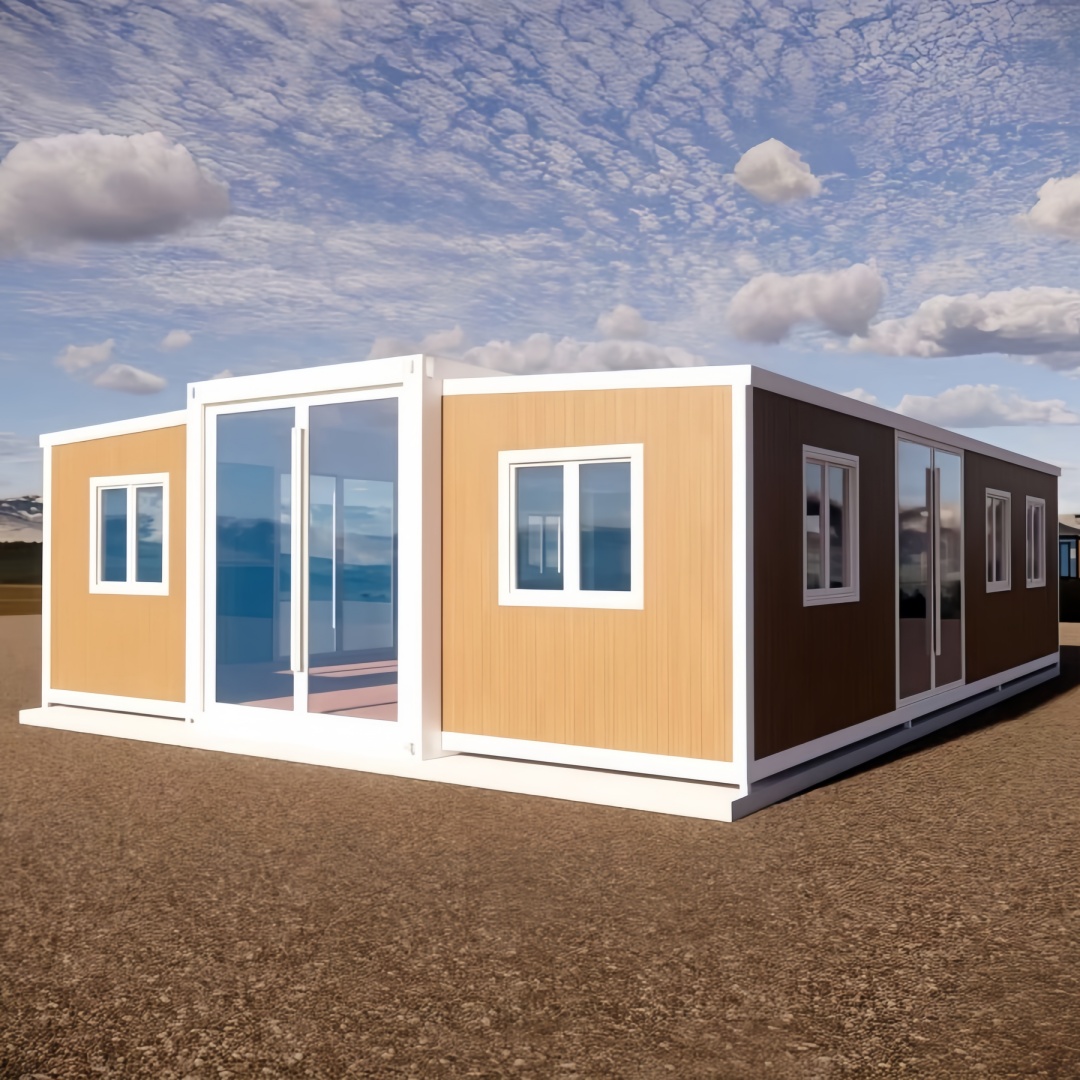
The 30FT model — the most popular size for pop-up coffee shops and retail boutiques.
Across the world, a quiet revolution is happening in retail. Independent coffee roasters, fashion boutiques, barbers and street-food vendors are ditching expensive high-street leases for something smarter: a folding container home reconfigured as a pop-up shop. At HG Prefab, we have supplied units that became beachside espresso bars, festival retail stalls, suburban barbershops and even a pop-up clinic. This guide shows you how it works, what it costs, and how to build a profitable retail business inside a foldable steel unit.
Why a container home makes a better shop than a brick store
Traditional retail spaces lock you into long leases, require expensive fit-outs, and cannot move if foot traffic dries up. A folding container shop flips every one of those problems:
- Own, don't rent. You buy the unit outright ($7,200-$16,500 depending on size). No monthly rent, no landlord, no lease negotiations. The shop is a capital asset, not an ongoing liability.
- Move it when you want. If a location underperforms, fold it flat, truck it to a new spot and re-deploy. Your retail presence follows the foot traffic — festivals, seasonal markets, new developments.
- Fast setup. A crane or forklift offloads the folded unit; four workers unfold and assemble the main structure in about 2 hours. Commercial fit-out takes days, not months. You can be trading within a week of delivery.
- Durable and secure. Galvanized steel walls, a steel door and locking windows mean your stock and equipment are safe overnight. No flimsy plywood kiosk that gets broken into.
- Brand-able exterior. The flat steel panels are a blank canvas for vinyl wraps, paint, signage and lighting. Your shop can look exactly like your brand — and you can rebrand with a new wrap in an afternoon.
Choosing the right size for your retail concept
| Model | Expanded area | Price range | Best for | Seating capacity |
|---|---|---|---|---|
| 20FT folding container | ~36 m² | $7,200 – $9,800 | Take-away kiosk, juice bar, ticket office | 0-4 standing |
| 30FT folding container | ~56 m² | $10,500 – $14,500 | Coffee shop, boutique, salon, barbershop | 8-12 seats |
| 40FT folding container | ~76 m² | $12,500 – $16,500 | Full café, retail showroom, gallery | 20+ seats |
Coffee shop layout: the 30FT sweet spot
The 30FT model is the most popular choice for coffee shops, and for good reason. At 56 m² expanded, it gives you enough space for a proper espresso bar, a pastry display, a small under-counter fridge, a handwashing sink (required by most food codes), 8-12 customer seats, and a storage nook at the rear. Here is a proven layout:
- Front (street-facing) wall: Large sliding glass window or bi-fold hatch serving as the order/pickup counter. A fold-down shelf serves as a servery bench.
- Left wall: Espresso machine on a stainless counter, grinder, under-counter fridge for milk, knock box, and a small handwash sink.
- Right wall: Pastry display case, POS terminal, merchandise shelf (beans, mugs, merch).
- Rear: Storage shelving, water heater, electrical distribution board, and a small staff door.
- Centre floor: 2-3 small tables with stools, or bench seating along the far wall.
Plumbing and electrical for a café
The unit comes with pre-installed plumbing and electrical (see our hookup guide). For a coffee shop, we configure it with: a dedicated 20A circuit for the espresso machine, a water filter and softener on the inlet line, a floor drain in the prep area for cleaning, and a high-capacity water heater. You tell us your equipment list and we wire the circuits accordingly.
Boutique and retail layout: the 40FT showcase
For fashion boutiques, lifestyle stores or galleries, the 40FT model at 76 m² provides a proper showroom floor. The fold-out design means the entire 76 m² is open, column-free space — perfect for display racks, a central island table, a fitting room and a checkout counter. Key features we can factory-configure:
- Display windows: Large glass panels on the street-facing wall for visual merchandising.
- Fitting room: A partitioned corner with a mirror, curtain and lighting.
- Track lighting: LED track lights on adjustable heads to highlight merchandise.
- Storage: A rear stockroom separated by a partition wall.
- Climate control: Pre-wired air-conditioner spur for customer comfort and fabric preservation.
The ROI math: container shop vs traditional lease
Let's compare a 30FT container coffee shop ($12,000 fully configured) against leasing a 50 m² shop in a typical suburban high street:
| Cost item | Container shop (30FT) | Leased shop (50 m²) |
|---|---|---|
| Acquisition / deposit | $12,000 (own outright) | $6,000 (3-month deposit) |
| Monthly rent | $0 | $2,000 |
| Fit-out | $2,000 (shelving, counter) | $15,000-25,000 |
| Annual cost (Year 1) | ~$14,000 | ~$45,000 |
| After 2 years | ~$15,000 (you own a $12k asset) | ~$69,000 (you own nothing) |
| Can you relocate? | Yes — fold and move | No — locked in |
The numbers speak for themselves. In year one alone, a container shop saves roughly $30,000 compared to a leased retail space. Over two years, the savings exceed $50,000 — and at the end, you still own a durable steel unit that can be relocated, sold, or repurposed.
Commercial fit-out options from the factory
HG Prefab can configure your unit at the factory for commercial use, so it arrives ready for your specific business:
- Large serving window: Bi-fold or sliding glass hatch on the street-facing wall.
- Stainless counter: Food-grade stainless bench with sink, pre-plumbed for an espresso machine or draft taps.
- Display lighting: LED track or strip lighting for merchandise highlighting.
- Extra power circuits: Dedicated circuits for commercial equipment (espresso machine, fridge, freezer, POS).
- Exterior branding ready: Primed steel panels ready for vinyl wrap or custom paint.
- Outdoor deck option: A fold-out deck or awning for outdoor seating.
Permits and regulations for pop-up retail
Regulations for pop-up retail vary by country and municipality. In many jurisdictions, a folding container home on private land qualifies as a temporary structure, which may be exempt from full planning permission for up to 28 days per year. For longer-term or permanent commercial use, you will typically need:
- Commercial use permit or change-of-use approval
- Food business licence (for cafés and food service)
- Health and safety inspection (plumbing, electrical, fire exit)
- Signage permit (for exterior branding)
Check with your local council or planning department. Our permits guide covers the general framework.
Success story: the beachside espresso bar
A client in Southeast Asia ordered a 30FT folding container home configured as a coffee shop. The unit was delivered, offloaded by crane, unfolded in 2 hours, and fitted out with an espresso machine, display case and seating over three days. The total investment including equipment was under $20,000. The shop opened in week two and hit break-even within four months — serving beachgoers from a prime waterfront spot that would have cost $3,000/month to lease conventionally. After the first summer season, the owner folded the unit and relocated it to a winter market location. Same shop, same equipment, new city.
Ready to launch your pop-up shop?
Tell us your business type, preferred size and equipment list. We will configure the unit for commercial use and deliver a ready-to-trade shop.
Browse all models