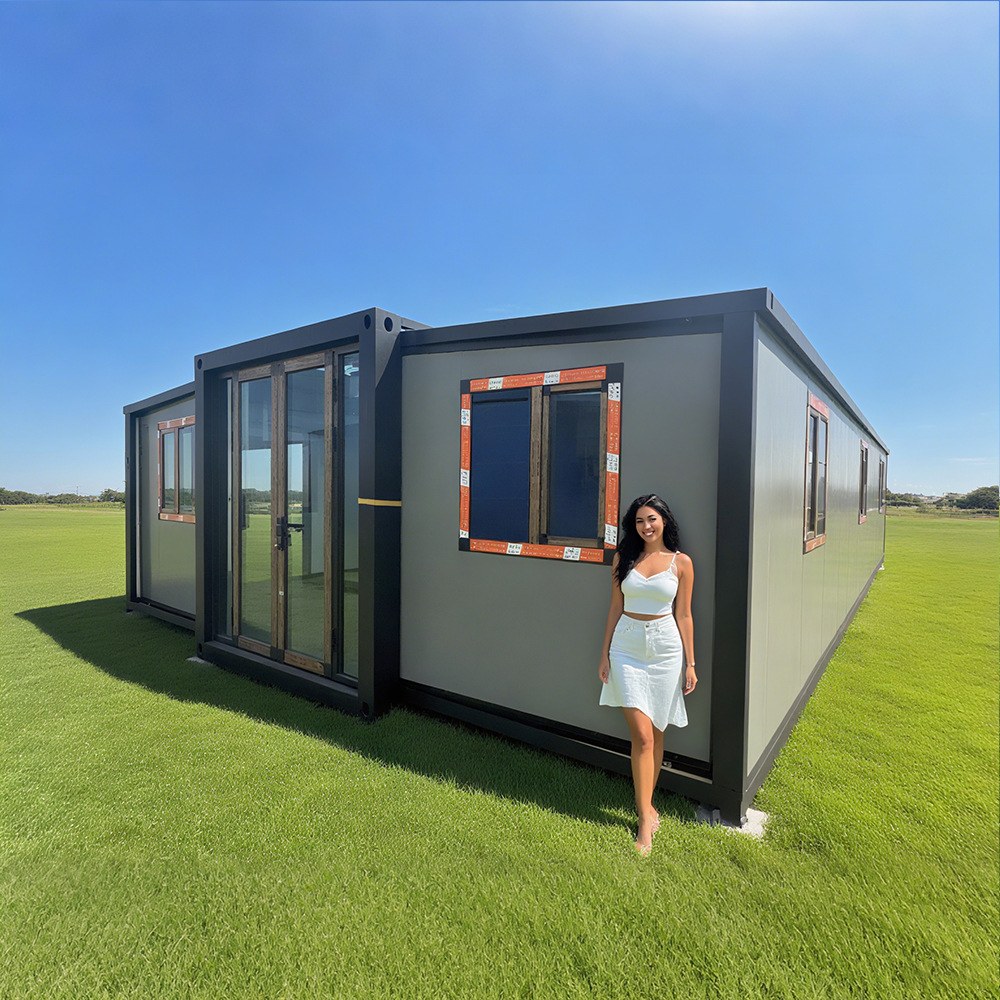
HG Prefab foldable expandable container homes — built to last, delivered worldwide.
One of the most common questions from container home buyers is: will it hold its value? It is a fair question. A folding container house is a significant investment — $7,200 to $16,500 FOB, plus shipping and site costs. Unlike a traditional house, which typically appreciates over time, a container home occupies a grey area between real estate and a manufactured product. Understanding the depreciation dynamics, value factors and resale strategies will help you make a smart purchasing decision.
Do Container Homes Appreciate or Depreciate?
The honest answer is: it depends on how the unit is installed and maintained. Here is the general framework:
| Installation type | Value trend | Comparable to |
|---|---|---|
| Permanent foundation + utilities + permits | Slow appreciation (tracks land value) | Manufactured home / modular home |
| Semi-permanent (on piers, connected to utilities) | Slow depreciation then stabilization | High-end manufactured home |
| Temporary (on blocks, no permits) | Depreciates like equipment | RV / portable building |
| Rental / commercial use (Airbnb, site office) | Depreciates as business asset | Commercial equipment (5–7 year schedule) |
The key insight: the land underneath your container home appreciates, while the structure itself depreciates slowly — much like any manufactured home. However, the steel construction means the depreciation curve is gentler than timber-frame alternatives. For a comparison with traditional construction, see our container home vs traditional house analysis.
Factors That Affect Resale Value
1. Land and Location
If your container home is on owned land with proper permits, the land appreciation will likely offset the structure's depreciation. A unit on a desirable plot near a growing city will hold value better than one in a remote area with limited demand.
2. Foundation and Permitting
A container home on a permanent foundation with full building permits is classified as real property — it can be sold as part of the land. A unit on temporary blocks without permits is personal property, which limits the buyer pool and reduces resale value. See our foundation guide and permits guide for setup recommendations.
3. Condition and Maintenance
Like any asset, condition drives value. A well-maintained 10-year-old container house will sell for more than a neglected 3-year-old one. Key maintenance items that affect resale:
- Steel wall surface — no visible rust, paint intact
- Roof condition — no leaks, membrane intact
- Interior finishes — flooring, walls, fixtures in good condition
- Utility systems — electrical, plumbing all functional and certified
Follow our 10-year maintenance checklist to preserve value.
4. Size and Configuration
40FT units tend to hold value better than 20FT units because they offer more usable space and appeal to a broader buyer market. Two-bedroom configurations are more marketable than single-room studios. For choosing the right size, see our 20FT vs 30FT vs 40FT guide.
5. Upgrades and Customization
Strategic upgrades can boost resale value:
- Quality insulation (rock wool is standard; adding interior soundproofing adds value)
- Durable flooring (vinyl plank or tile outlasts laminate)
- Full bathroom fit-out (a functional bathroom increases marketability)
- Split AC system (climate control is expected, not optional)
- Escape-compliant windows (safety compliance matters to buyers)
For customization options, see our customization guide.
Depreciation Curve: Realistic Projections
Based on modular and manufactured home industry data, here is a realistic depreciation projection for a well-maintained folding container house installed on a permanent foundation:
| Years of ownership | Structure value (% of original) | Notes |
|---|---|---|
| Year 0 (new) | 100% | FOB price + shipping + site costs |
| Year 5 | 75–85% | Initial depreciation, normal wear |
| Year 10 | 60–75% | Stabilizes if well-maintained |
| Year 15 | 50–65% | Component replacement may be needed |
| Year 20 | 40–55% | Structure still sound, finishes aging |
| Year 25+ | 30–45% | Approaching end of service life |
Note: if the land underneath appreciates (which it typically does in growing markets), the combined property value may stay flat or appreciate despite structural depreciation. For lifespan details, see our lifespan and durability guide.
How to Maximize Resale Value
Document Everything
Keep records of the original purchase, factory specifications, installation permits, electrical certification, plumbing inspection and maintenance history. Buyers pay more when they see documentation.
Maintain Aggressively in Years 1–5
The first five years set the tone. Treat rust spots immediately, re-seal the roof membrane, service the HVAC annually, and keep interior finishes clean. A unit that looks new at year 5 commands a premium.
Invest in Land Value
If you own the land, improvements that increase land value (landscaping, driveway, utility upgrades) indirectly increase the total property value. The structure depreciates, but the land appreciates.
Consider Rental Income
If you are not ready to sell, generate income through long-term rental or Airbnb. A 40FT unit in a good location can generate $800–$1,500/month in rental income, offsetting depreciation. See our Airbnb ROI analysis and business use guide.
Choose the Right Size at Purchase
40FT units have the broadest resale market. 20FT units appeal to a narrower buyer pool (typically single buyers or those seeking a secondary unit). If resale is a priority, consider a 30FT or 40FT configuration.